
Welcome to the RADiANT e-learning Platform

Your RADiANT e-Learning Authors


RADiANT Convenor
Independent Prescriber Pharmacist

RADiANT Network Manager

Clinical Research Practitioner

Consultant Psychiatrist

Dr. Ahmed Elansary
Speciality Doctor

Specialist Speech & Language Therapist

Specialist Speech & Language Therapist

Maryam Imran
Doctor

Honorary Clinician Researcher

Professor of Medicine in the Division of Respirology

Medical Education Fellow

Professor of Neuropsychiatry

Consultant Paediatrician
Our CPD-Certified Online Programme:

-
Mental health comorbidity is higher in those with a learning disability and being obese puts such people at a much greater risk of important health and psychological problems.
‘Over-Weight & Obesity’ is the first module in the programme: ‘Physical Health Issues in People with Intellectual Disability and Mental Health or Behavioural Difficulties.’ It aims to educate professionals working with patients who have been prescribed psychotropic medication to understand in more detail the link between obesity and psychotropic medication.
What our CPD-UK Reviewers have said:
“This e learning offers a high level of CPD value. Learning objectives are clearly set out. The course is accessible. There is a good level of learner interaction. Learning is well -assessed and there is an opportunity to give feedback.”
-
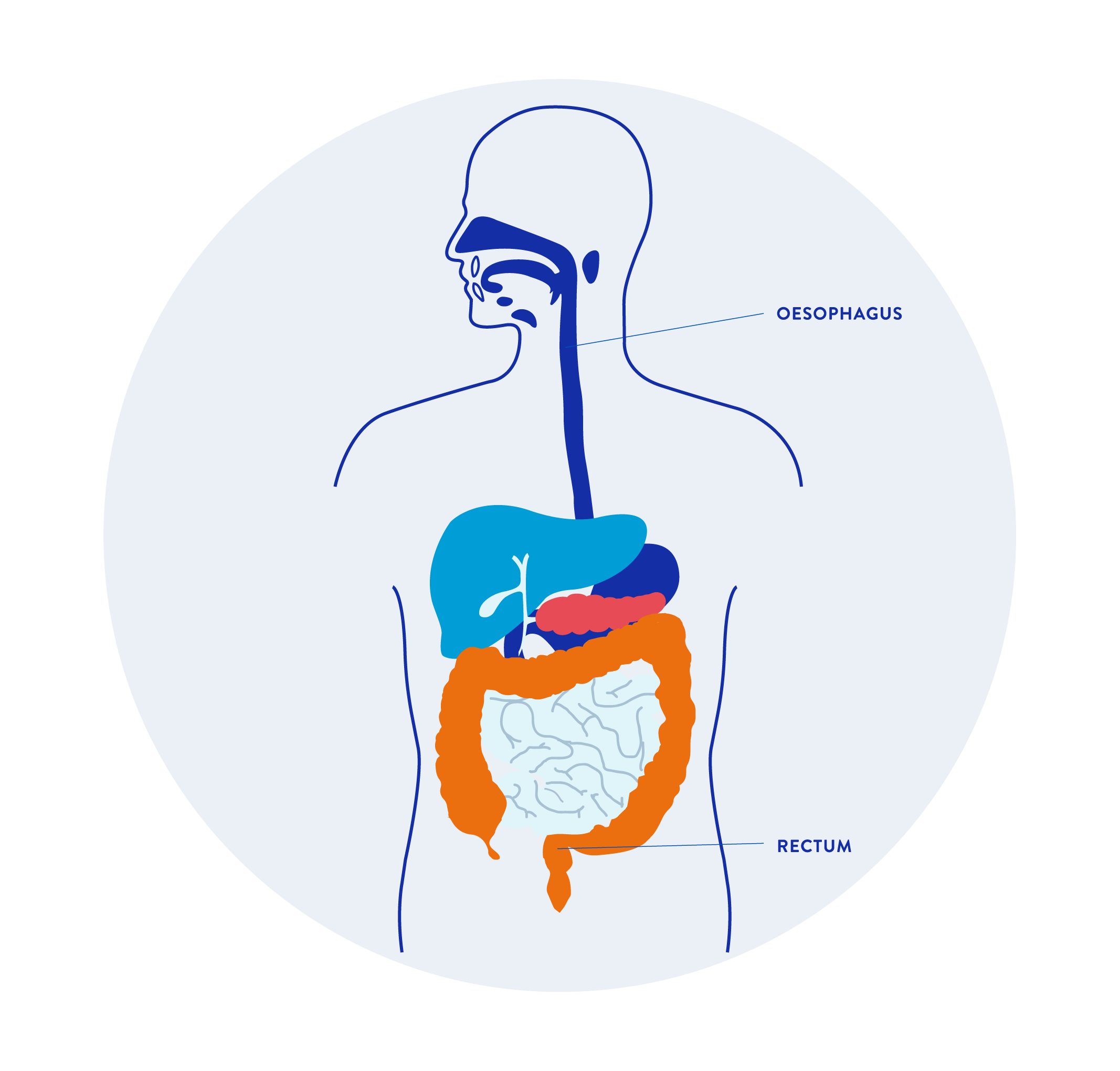
Constipation is a common, life-threatening, yet preventable condition. Rates of constipation are higher in people with learning disability, and it is widely accepted that people with a learning disability are less likely to recognise and communicate the symptoms of constipation, therefore increasing the risk of serious consequences.
‘Constipation’ is the second module in the programme: ‘Physical Health Issues in People with Intellectual Disability and Mental Health or Behavioural Difficulties.’ It aims to educate professionals to understand the link between constipation and prescribed psychotropic medication. It particularly focuses clozapine-induced gastrointestinal hypomotility (CIGH) and the implications this has on patient safety.
What our CPD-UK Reviewers have said:
“This e learning offers a high level of CPD value. Learning objectives are clearly set out. Course navigation is well-explained and there is an accessibility policy and help available. It is easy to track learner progress. The course is well-written and engaging. Learning is well-assessed. There is an opportunity to give feedback, and a certificate is issued on successful completion of the course as evidence of CPD undertaken.”

-
The incidence of cancer among people with a learning disability is comparable with that of the general population. However, deaths from cancer occur at a much younger age, particularly in women and in more deprived groups.
‘Cancer & Learning Disability is the third module in the programme: ‘Physical Health Issues in People with Intellectual Disability and Mental Health or Behavioural Difficulties.’ It aims to improve the management of patients with a learning disability by highlighting the barriers to treatment and focusing on the importance of prevention and detection as well as delivering a patient-focused care and support plan.
What our CPD-UK Reviewers have said:
“An informative training with clearly defined learning objectives, intuitive navigation, and good accessibility.”

-
People with a learning disability are more likely than people without to have a mental illness that may require treatment with psychotropic medication.
‘Psychotropic Medications in People With An Intellectual Disability’ is the fourth module in the programme: ‘Physical Health Issues in People with Intellectual Disability and Mental Health or Behavioural Difficulties.’ It aims to improve patient care by examining both the reasons why people with an intellectual disability are more likely to be prescribed psychotropic medication as well as the careful monitoring which may be required to minimise the risk of physical health complications.
What our CPD-UK Reviewers have said:
“This is an informative 1-hour e-learning course for self-study with clearly defined learning objectives, intuitive navigation and good accessibility.”

-
Hypothyroidism is the condition arising from an underactive thyroid gland. People with a learning disability may need increased support to manage hypothyroidism such as help accessing healthcare, organising blood tests and medication adherence.
‘Hypothyroidism In Intellectual Disability’ is the fifth module in the programme: ‘Physical Health Issues in People with Intellectual Disability and Mental Health or Behavioural Difficulties.’ It provides an overview of hypothyroidism, a chronic health condition which causes physical, cognitive and psychiatric symptoms. It then aims to improve patient care by examining why rates of hypothyroidism appear to be higher in people with intellectual disabilities.

-
Dysphagia is not just a symptom - it is a serious condition with wide-ranging effects. Early diagnosis and a multidisciplinary approach are key to reducing health and wellbeing complications.
‘Dysphagia’ is the sixth module in the programme: ‘Physical Health Issues in People with Intellectual Disability and Mental Health or Behavioural Difficulties.’ In this module, you will learn about the normal swallow, the impact of problems at each stage, and the way these may present in people with intellectual disabilities.

-
People with learning disabilities are more likely than people without disabilities to have poorer oral health and more problems in accessing dental services than people in the general population.
‘Oral Health’ is the seventh module in the programme: ‘Physical Health Issues in People with Intellectual Disability and Mental Health or Behavioural Difficulties.’ It aims to improve patient care by examining causes and consequences of oral health problems for people with intellectual disabilities. It describes what normal oral health is, the impact of problems at each stage, and the way these may affect people with intellectual disabilities.

-
Menopause is an important health stage for all women which is often associated with various physical, cognitive, and emotional changes.
Menopause can therefore present unique challenges for women with intellectual disabilities, often affecting both their physical and mental well-being. Symptoms are frequently unrecognised or misinterpreted, resulting in inadequate support due to misdiagnoses.
‘Menopause’ is the eighth module in the programme: ‘Physical Health Issues in People with Intellectual Disability and Mental Health or Behavioural Difficulties.’ It helps the Learner identify signs of menopause and therefore be better placed to support women with intellectual disabilities in managing the effects of menopause.

-
Diabetes is more prevalent in people with learning disabilities and can be harder to identify and manage. Communication barriers and routine challenges may increase risks like hypoglycaemia and poor glucose control. With tailored education and support from carers and healthcare providers, individuals can safely manage diabetes and achieve positive health outcomes through inclusive care.
‘Diabetes’ is the ninth module in the programme: ‘Physical Health Issues in People with Intellectual Disability and Mental Health or Behavioural Difficulties.’ It supports carers by outlining the unique risks, challenges and health inequalities experienced by this population.

-
Sepsis is a life-threatening condition caused by the body’s overwhelming response to infection, which can lead to tissue damage, organ failure and death if not treated rapidly. Recognising sepsis can be particularly challenging in people with learning disabilities, where symptoms may be overlooked or mistaken for existing conditions, contributing to delayed diagnosis and poorer outcomes.
‘Sepsis Amongst People with a Learning Disability’ is the tenth module in the programme: ‘Physical Health Issues in People with Intellectual Disability and Mental Health or Behavioural Difficulties.’ It explores how sepsis may present in this population, how to recognise warning signs and respond quickly. It also highlights the risks of diagnostic overshadowing and the importance of making reasonable adjustments in this patient group.

-
Epilepsy is a brain disorder characterised by an increased likelihood of seizures and is very prevalent in people with intellectual disabilities. Those with ID and epilepsy have high rates of epilepsy complications, including premature death and SUDEP.
‘Epilepsy’ is the eleventh module in the programme: ‘Physical Health Issues in People with Intellectual Disability and Mental Health or Behavioural Difficulties.’ This module will define epilepsy, outline types of seizures, signs and phases of seizures. The safe and effective management of epilepsy using medication, psychosocial interventions, risk assessment and care planning is outlined.
-
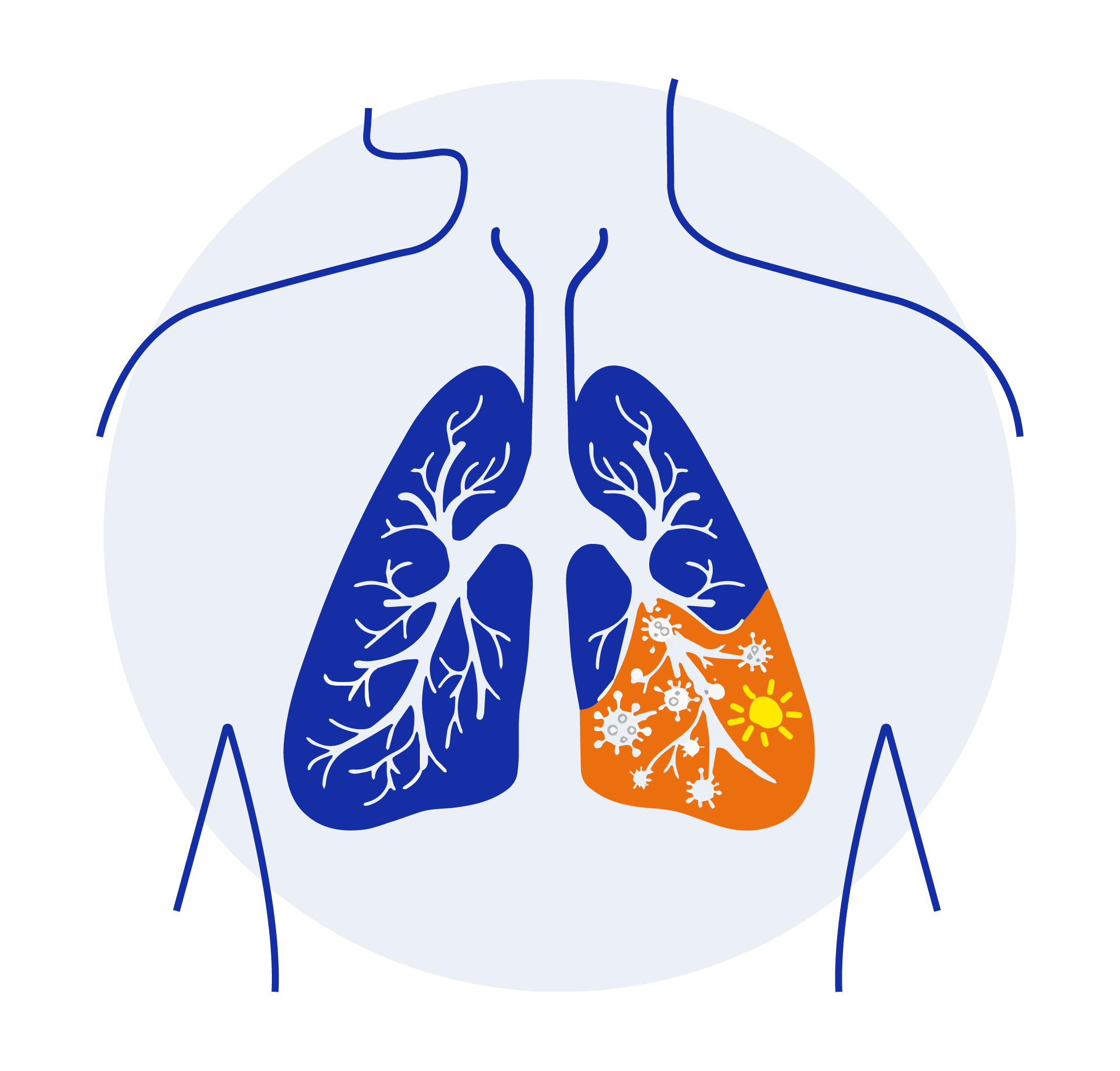
Pneumonia is an infection of the lung leading to respiratory symptoms such as cough, fever, chest pain and dyspnoea. Evidence suggests that certain factors increase the risk of poor outcomes from pneumonia in people with LD.
‘Pneumonia in Intellectual Disability’ is the twelfth module in the programme: ‘Physical Health Issues in People with Intellectual Disability and Mental Health or Behavioural Difficulties.’ It explores the process of pneumonia, the impact of problems at each stage, and the way these may present in people with intellectual disabilities.
CPD Assessors say…
Overall, an excellent, well-structured comprehensive presentation with clear learning points, appropriate visuals that will no doubt deliver its learning objectives to its target audience.
Select below to login and view your e-learning dashboard or register for our programme.